Tuna Fish Recall: What You Need To Know And How To Stay Safe - Staying informed about tuna fish recalls is vital for consumer safety. Here are some reliable sources to consult: Prevention is key to avoiding the adverse effects of contaminated tuna. Here are some practical tips:
Staying informed about tuna fish recalls is vital for consumer safety. Here are some reliable sources to consult:
Staying informed and proactive during a recall can help mitigate potential risks.
Prolonged exposure to high levels of mercury can affect the nervous system, particularly in developing fetuses and young children.
Recalls are typically initiated by manufacturers, distributors, or regulatory agencies such as the FDA (Food and Drug Administration) in the United States. These organizations monitor food safety and take swift action when potential risks are identified. Understanding the recall process and its implications can help consumers stay vigilant and informed.
Incorrect labeling of allergens, such as soy or gluten, can pose serious risks to individuals with food allergies or intolerances.
Tuna fish recalls can have significant repercussions for the industry. Financial losses, damage to brand reputation, and loss of consumer confidence are some of the challenges faced by companies involved in recalls. To address these issues, the industry is increasingly investing in advanced technologies and quality assurance processes to enhance food safety.
Tuna is one of the most consumed fish globally, prized for its rich flavor, versatility, and health benefits. However, the increasing frequency of tuna fish recalls has raised questions about the safety of this popular seafood. Understanding the reasons behind these recalls and learning how to respond can help you make better-informed decisions about the food you consume.
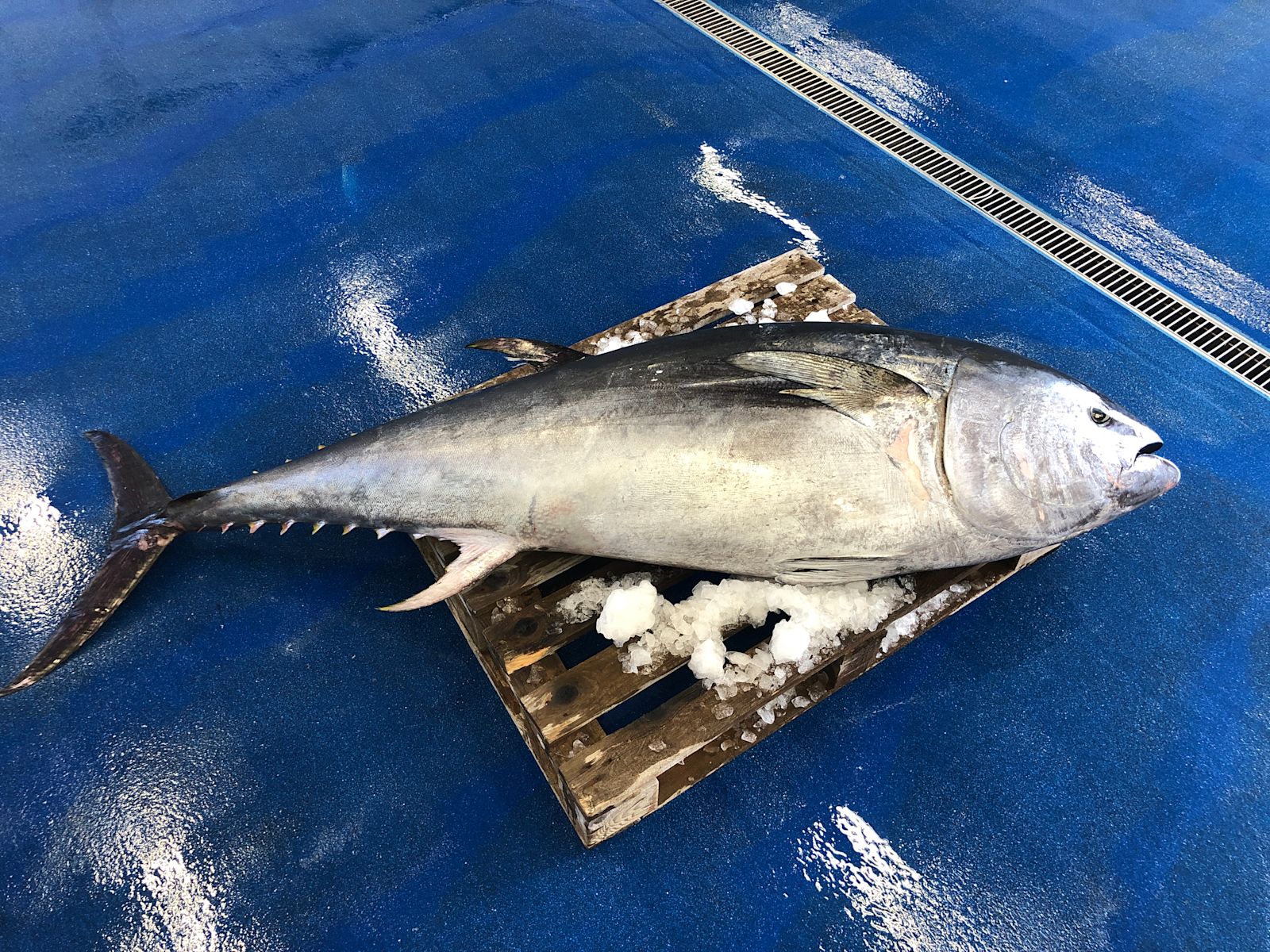
Tuna fish recall refers to the process where batches or lots of tuna products are withdrawn from the market due to safety concerns. These recalls can occur at any stage of the supply chain, from production to distribution. The primary goal of a recall is to prevent consumers from consuming potentially hazardous products.
Infections caused by bacteria like Salmonella and Listeria can result in symptoms such as nausea, vomiting, and diarrhea. Severe cases may require hospitalization.
Tuna fish recalls are triggered by various factors, each posing unique risks to consumers. Below are some of the most common reasons:
Tuna fish recalls highlight the importance of food safety and consumer awareness. By understanding the reasons behind these recalls and taking appropriate precautions, you can protect yourself and your loved ones from potential health risks. Remember to stay informed, choose reliable suppliers, and practice safe handling techniques when consuming tuna products.
Regulatory bodies play a pivotal role in ensuring food safety and responding to tuna fish recalls. In the U.S., the FDA and USDA (United States Department of Agriculture) collaborate to monitor and enforce food safety standards. Internationally, organizations like the WHO (World Health Organization) and FAO (Food and Agriculture Organization) provide guidelines and support for food safety initiatives.